The right method starts with the condition, not the equipment
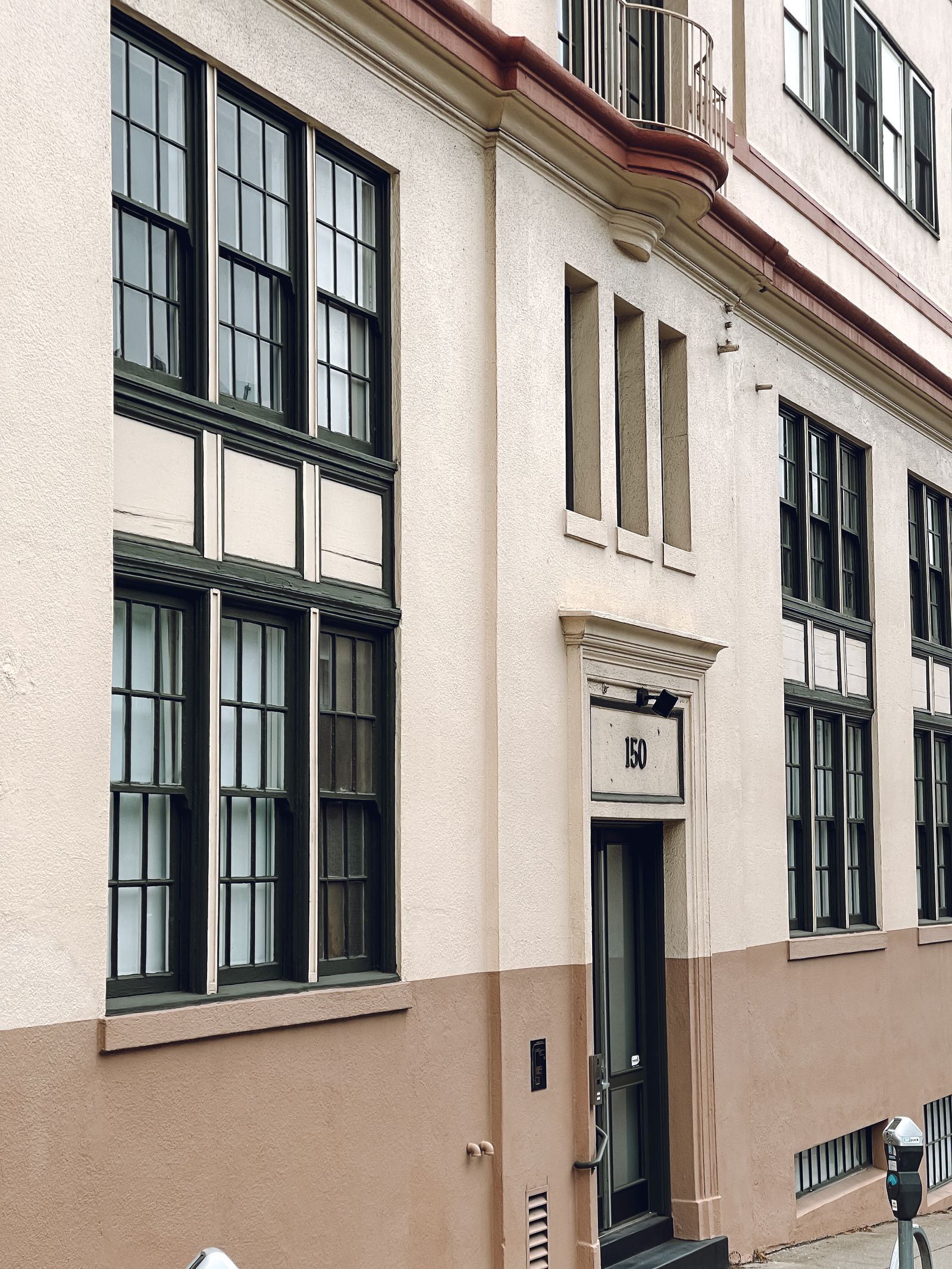
Soft washing generally pairs a compatible cleaning solution with controlled dwell time and a lower-pressure rinse. It can be useful for organic growth, algae-like film, mildew-like staining, pollen, bird residue, and atmospheric soil on compatible surfaces. Pressure washing relies more on water impact and may be appropriate for selected durable concrete, pavement, or heavily soiled hardscape when distance, tip, pressure, water volume, and runoff are controlled. Neither label makes a deteriorated surface safe. Brick, mortar, stucco, EIFS, painted metal, sealants, old coatings, glass, precast, and repaired areas may require different settings or a different restoration scope.
New Albany's lower walls can show road film, salt, and splash near Hamilton Road, Dublin-Granville Road, parking lots, and winter-treated routes. Upper walls may show pollen, bird residue, rain streaks, or shaded organic film. A mineral deposit, oxidation, soot mark, failed joint, or roof leak may not respond to either routine process. The first step is to identify the material and likely source of the mark. A test area can show whether the planned chemistry and pressure produce the intended response without committing the entire facade to an unverified method.
- Match chemistry and pressure to the substrate, coating, joint condition, and soil.
- Treat salt, mineral scale, oxidation, soot, and drainage marks as different problems.
- Use testing when traditional materials, repairs, coatings, or unknown finishes are present.
- Do not confuse a clean appearance with a repaired leak, joint, coating, or envelope defect.
Where soft washing can make sense in New Albany
In New Albany, a tested soft-wash process may be a sensible starting point for compatible organic film on offices, hotels, retail entries, campuses, medical offices, and selected industrial elevations. Lower pressure can reduce unnecessary impact when chemistry is doing the work, but water can still harm weak mortar, sealant, coatings, vents, or damaged panels. Testing and protection remain part of the method.
New Albany pollen and humid summer weather can make shaded walls, canopies, ledges, and recessed entries look tired before other elevations. A soft-wash scope may address compatible soil when drainage is controlled, while documenting mineral deposits, oxidation, paint failure, cracked masonry, stained glass, or roof-edge streaking. That record can point to a gutter, sealant, masonry, coating, or restoration follow-up.
Where controlled pressure may be appropriate
Pressure can be useful on selected durable concrete, loading aprons, parking structures, sidewalks, and compatible hardscape when the surface condition, pressure, distance, nozzle, water volume, and runoff plan are understood. A warehouse near Jug Street may have concrete dock areas that need a different treatment from painted metal wall panels. A hotel or office campus may have a durable service drive beside a delicate decorative entry. A medical property may have concrete paths beside sensitive landscaping and public routes. The method should be limited to zones where the material can tolerate it and where water can be managed.
Excessive pressure can erode mortar, etch concrete, lift paint, drive water behind cladding, damage sealants, break brittle edges, or move contaminants into openings. Pavement can still create runoff or slip concerns when slopes and drains are ignored. A New Albany proposal should state the method by zone, test-area decision, protection, and stop conditions rather than choosing pressure simply because a mark looks stubborn.
New Albany winter changes the cleaning conversation
Snow treatment and deicing can leave salt and brine at curb lines, ramps, garage entries, docks, and lower walls. Rinsing may help with some loose residue, but repeated deposits can be connected to porous materials, joints, traffic splash, and drainage. Freeze-thaw movement can expose cracks, spalls, loose mortar, and failing sealants. A cleaning project should document those conditions rather than hiding them. If water freezes during or shortly after work, the result and public safety can both suffer, so temperature, wind, ice, surface moisture, and drying time belong in the schedule.
After a winter cleaning, New Albany pollen and rain can create new film while shaded areas dry slowly. The useful maintenance interval depends on exposure, trees, roof drainage, traffic, material, and the owner's appearance standard. A provider should explain when another wash adds value and when a drainage correction or repair is the better investment.
Roads, access, and airspace can change the answer
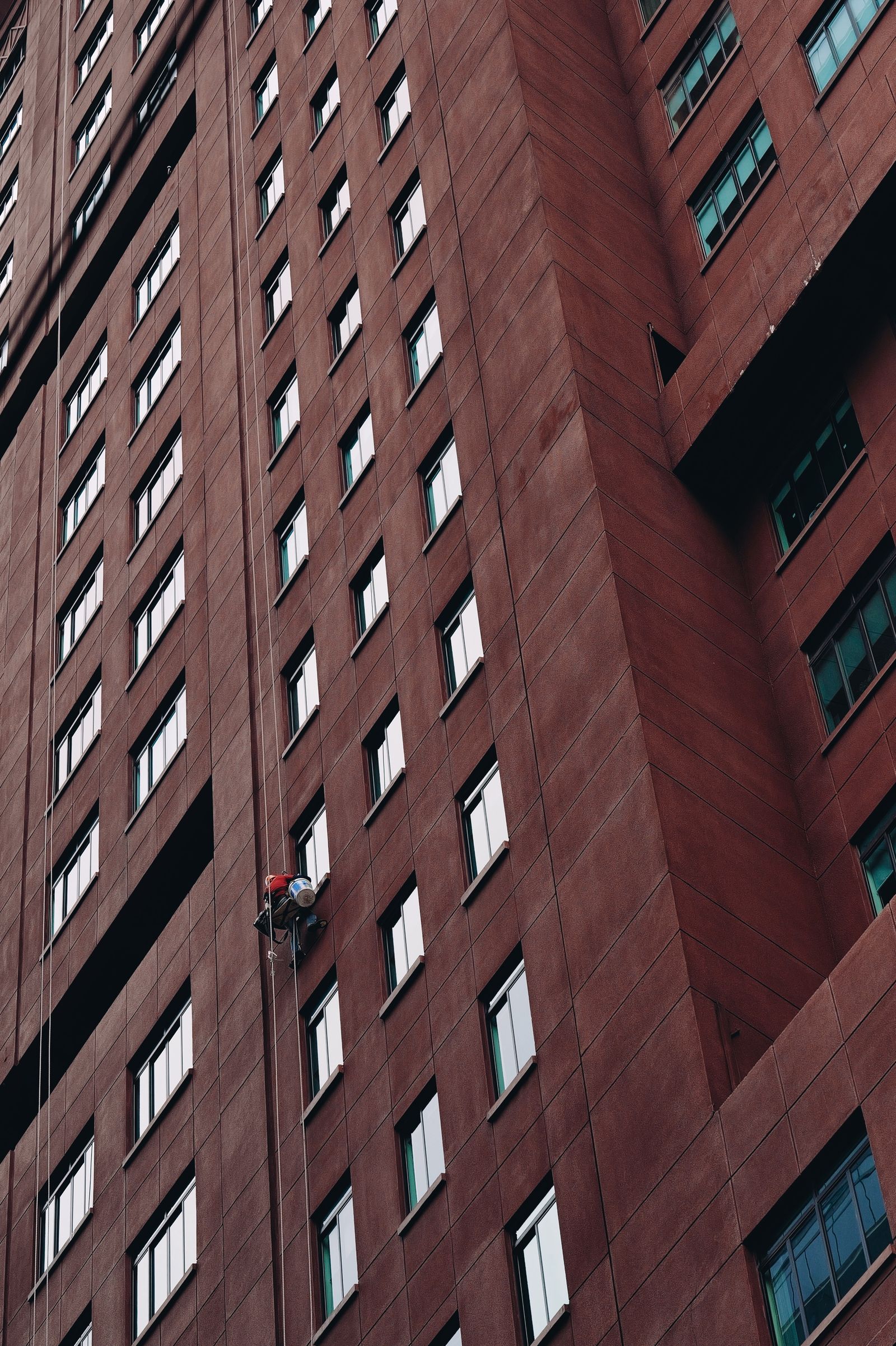
New Albany properties may sit beside Village Center sidewalks, Market Street traffic, shared-use paths, employee parking, patient drop-offs, loading docks, and busy routes connecting to US-62 or SR-605. A lift may need a firm setup area and traffic control. A pole may work for one elevation but not a recessed detail. Drone assistance may be considered for a suitable broad upper wall with a safe launch area, line of sight, public separation, workable wind, stand-off distance, and ground coordination. It is an access option, not a guarantee of faster or complete cleaning, and it does not replace hand detail, contact work, surface testing, or repairs.
Commercial drone work must follow applicable Federal Aviation Administration requirements, and the site may include utilities, trees, rooftops, neighboring buildings, aircraft activity, and people who cannot be moved. Property permission is only one part of the assessment. If airspace, wind, public separation, or runoff cannot be controlled, a lift, pole, ground method, or revised schedule may be the better fit. A good proposal tells the facility team which access method applies to each elevation and why.
Drainage is a deciding factor for both methods
Soft washing and pressure washing both create water-management obligations. New Albany properties may drain toward storm inlets, swales, detention areas, parking-deck low points, landscaped beds, or pavement joints. The product, sediment, rinse volume, slope, storm connection, and local requirements matter. The city's stormwater guidance notes that stormwater systems do not treat water like a sanitary sewer system, so a nearby drain is not automatic permission for treated water to enter it. Before work, map the flow, identify sensitive areas, and decide whether diversion, collection, recovery, filtration, reduced rinse volume, plant protection, disposal, or authority coordination is required.
A New Albany plan should protect doors, accessible paths, vehicles, landscaping, seating, cameras, electrical equipment, air intakes, and public routes. Low pressure can still create damage or a slippery walkway if water travels incorrectly, while controlled high pressure can still be wrong for a weak joint. The proposal should state runoff assumptions, stop conditions, protection, and how remaining deposits or repairs will be recorded.
How to compare New Albany commercial cleaning proposals
Ask each provider to identify facade materials, likely soil, method by elevation, chemistry, pressure or rinse approach, test area, access equipment, public protection, water access, drainage assumptions, weather triggers, included areas, exclusions, and documentation. Ask whether glass, hard-water deposits, graffiti, construction residue, gutters, repair work, or restoration are included. For a corporate office, healthcare property, hotel, school, manufacturer, retail center, or office park, also ask how the sequence will protect entrances, events, shift changes, deliveries, and emergency routes.
Send the New Albany address, photos, approximate height, desired outcome, problem areas, schedule constraints, and water or drainage concerns. Call +1 239-351-2897 or email contact@dronebuildingcleaners.com to get in touch with Drone Building Cleaners and request a quote. We can discuss whether soft washing, controlled pressure, a hybrid method, or a different restoration scope fits the building instead of forcing every surface into one category.